Welcome to RTKSurvey.com

How to Choose a Surveying Tripod: Wood vs Aluminum vs Fiberglass
A surveying tripod may look like a simple accessory, but it plays an important role in measurement stability. Even a high-precision total station or automatic level can produce unreliable results if the tripod shifts, vibrates or does not securely support the instrument.
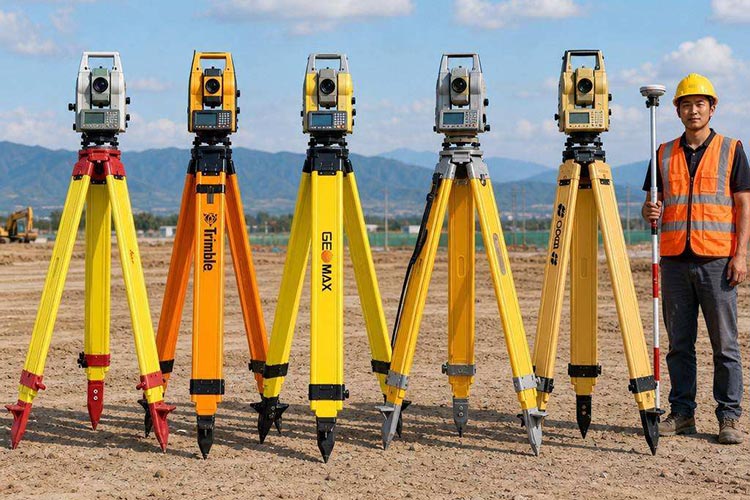
For surveying contractors and equipment buyers, the right tripod depends on the instrument, working environment, required stability and frequency of transport.
This guide compares wooden, aluminum and fiberglass surveying tripods and explains what to check before ordering.
1. Why Does Tripod Stability Matter in Surveying?
A tripod supports the instrument and helps maintain its position during measurement.
If the tripod legs settle into soft ground, the head moves or the locking mechanisms loosen, the instrument may no longer remain correctly centered or leveled.
This can affect measurements, especially during longer observations or precision work.
A suitable surveying tripod should provide:
A stable platform for the instrument
Secure leg locking mechanisms
A mounting interface compatible with the instrument
Appropriate working height
Reliable performance under expected field conditions
Tripod selection should therefore be based on more than weight and price.
2. Wooden vs Aluminum vs Fiberglass Surveying Tripods
The three common tripod material categories have different practical characteristics.
| Feature | Wooden Tripod | Aluminum Tripod | Fiberglass Tripod |
|---|---|---|---|
| Typical weight | Moderate to heavy | Often lightweight | Varies by design |
| Stability | Often preferred for demanding setups | Suitable when properly designed and secured | Can provide good stability |
| Portability | Less convenient for frequent carrying | Often easier to transport | Depends on construction |
| Moisture resistance | Requires appropriate care | Generally corrosion-resistant | Material is moisture-resistant |
| Common applications | Total stations, precision instruments | Auto levels, general surveying | Total stations, general field surveying |
| Main consideration | Weight and maintenance | Rigidity and vibration | Quality, weight and locking design |
These are general material tendencies, not guaranteed performance ratings. Actual tripod stability depends on its construction, leg design, joints, clamps and overall condition.
Wooden Surveying Tripods
Wooden tripods are widely used with total stations and other surveying instruments.
Their relatively substantial construction can provide a stable platform, particularly when the tripod is properly set up on firm ground.
Wooden legs may also offer favorable vibration-damping characteristics, although performance varies by design.
Potential disadvantages include additional carrying weight and the need to protect the material from prolonged moisture exposure or improper storage.
A wooden tripod can be a practical choice when stability is more important than minimizing equipment weight.
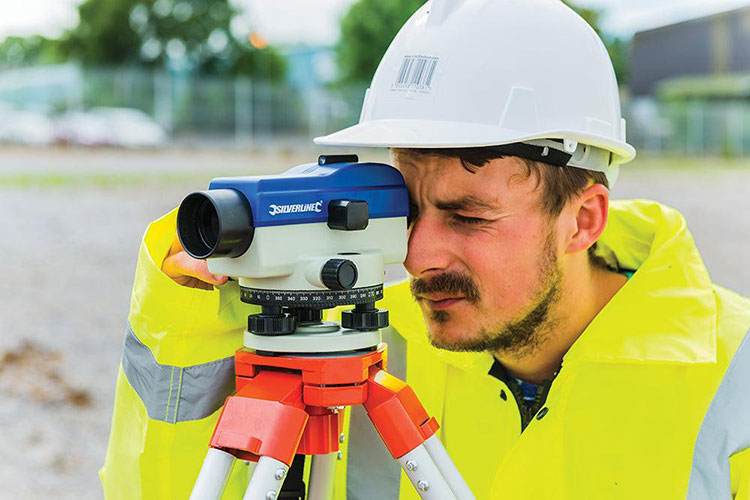
Aluminum Surveying Tripods
Aluminum tripods are popular because many designs are lightweight, portable and convenient to adjust.
They are commonly used with automatic levels, laser levels and general surveying equipment.
However, not every aluminum tripod is suitable for a heavy total station. Lightweight construction may be less resistant to movement under demanding conditions.
Before purchasing, verify the tripod's load rating, leg rigidity, locking mechanisms and intended instrument compatibility.
Fiberglass Surveying Tripods
Fiberglass tripods are another option for professional field surveying.
Their performance depends on the complete design, including leg construction, fittings, head assembly and locking system.
Fiberglass materials can resist moisture and may offer useful insulating properties, but a fiberglass tripod should not be treated as certified electrical safety equipment without specific testing and certification.
For professional surveying, choose a model with appropriate stability and load specifications rather than relying on the material name alone.
3. Which Tripod Is Best for a Total Station?
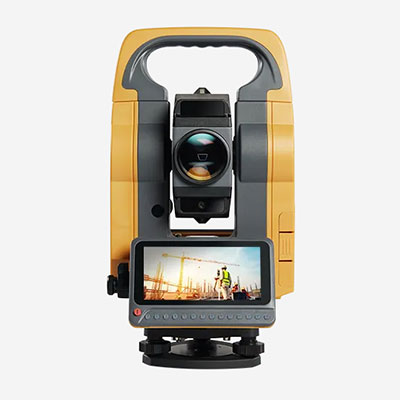
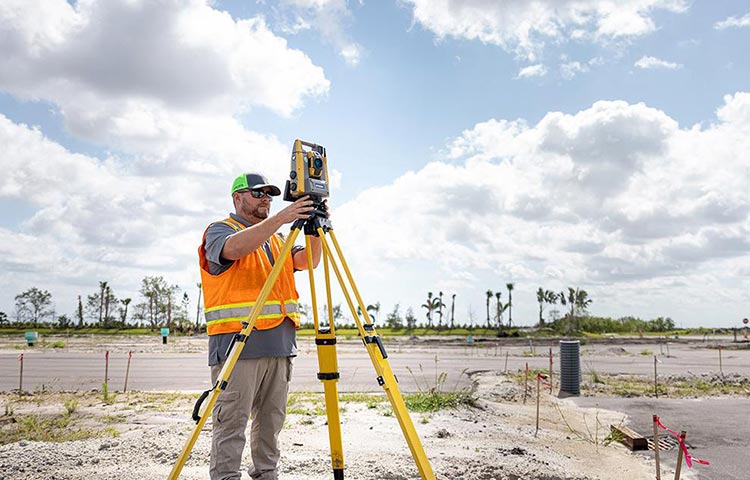
Total stations require a secure mounting platform, especially when measuring control points or performing precise construction layout.
For these applications, prioritize:
High torsional rigidity and stable leg joints
Reliable leg clamps
A secure instrument mounting screw
Suitable head dimensions
Adequate load capacity
Firm ground contact
Wooden and robust fiberglass tripods are often considered for demanding total station work. Heavy-duty aluminum models may also be suitable when designed for that application.
The best choice depends on the instrument and the tripod's actual specifications.
If you are also comparing instrument types, see our How to Choose a Total Station guide.
4. Which Tripod Should You Use for an Auto Level?
Automatic levels are commonly used for construction leveling, elevation transfer and general site measurements.
For routine work, a well-designed aluminum tripod may provide a practical balance of portability, stability and cost.
Wooden or fiberglass models can also be used when their mounting interfaces and working characteristics are suitable.
When selecting an auto level tripod, check:
Mounting screw compatibility
Maximum and minimum working height
Leg adjustment and locking reliability
Ground shoes suitable for the worksite
Ease of transportation
For accurate leveling, the tripod should remain stable throughout the observation sequence.
5. What About GNSS Receivers and Base Stations?
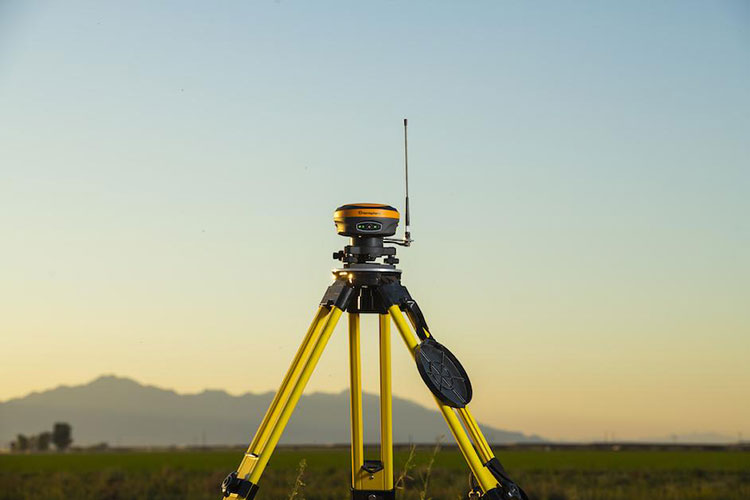
GNSS surveying uses several different support arrangements.
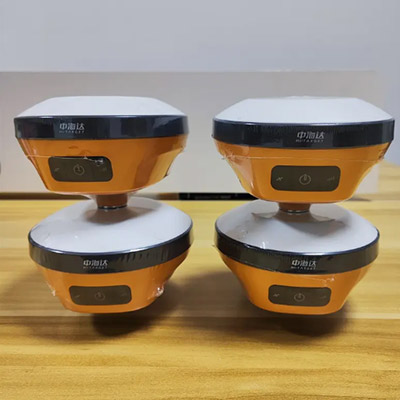
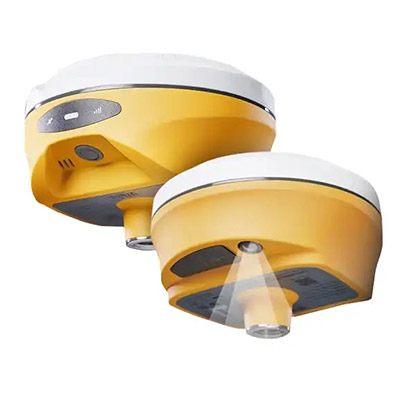
A rover receiver is often mounted on a survey pole, while a local base station may be installed on a tripod or other stable support.
For a GNSS base station, the main considerations are secure mounting, reliable centering, antenna stability and appropriate height.
A tripod intended for a total station is not automatically a complete GNSS base station setup. Additional mounts, adapters or antenna supports may be required.
The antenna reference point and measured antenna height must also be handled correctly in the GNSS survey workflow.
For more information, read our GNSS RTK Base and Rover Setup Guide.
6. Five Things to Check Before Buying a Surveying Tripod
1. Instrument Compatibility
Confirm the mounting screw, head design and intended instrument type.
A common surveying mounting thread is 5/8-11, but buyers should verify the actual specifications of both the instrument and tripod.
2. Stability and Load Capacity
Check whether the tripod is suitable for the weight and measurement requirements of the instrument.
A lightweight leveling tripod may not provide the same rigidity as a tripod designed for demanding total station work.
3. Leg Locking Mechanism
Inspect the clamp or screw-lock design.
Locks should hold the legs securely without slipping during normal field use.
4. Working Height and Transport Size
Consider the required instrument height and how frequently the crew carries equipment between locations.
A compact, lightweight tripod may be convenient for mobile teams, while a heavier tripod may be preferable for more demanding stationary setups.
5. Field Conditions
Soft soil, paved surfaces, slopes and windy conditions can require different setup precautions.
Ground shoes should suit the surface, and operators should follow appropriate procedures to reduce movement during measurement.
7. Common Surveying Tripod Buying Mistakes
Choosing Only by Price
A lower-cost tripod may be adequate for some tasks, but unstable joints or weak clamps can create measurement problems and reduce working efficiency.
Assuming All Tripods Fit All Instruments
Mounting interfaces, head dimensions and load requirements vary. Always confirm compatibility before ordering.
Assuming Heavier Always Means More Accurate
Weight can contribute to stability, but it is not a complete performance specification.
Tripod design, rigidity, ground contact and correct setup are also important.
Ignoring Long-Term Maintenance
Loose clamps, damaged feet and worn fittings can affect stability.
Regular inspection and appropriate maintenance help keep a tripod reliable.
Frequently Asked Questions
Is a Wooden Tripod Better Than an Aluminum Tripod?
Not always. Wooden tripods are often preferred for demanding instrument setups, while aluminum tripods can be more convenient for lightweight and mobile surveying work. Actual performance depends on design and construction.
Can I Use an Aluminum Tripod for a Total Station?
Yes, if the tripod is specifically suitable for the instrument's weight and stability requirements. Not every lightweight aluminum tripod is appropriate for professional total station work.
What Tripod Thread Do Surveying Instruments Use?
Many surveying instruments use a 5/8-11 mounting interface, but compatibility should be confirmed for the specific instrument and tripod.
Do GNSS Base Stations Need a Special Tripod?
A GNSS base station needs a stable and compatible support arrangement. Depending on the setup, additional mounts, adapters or antenna accessories may be necessary.
How Long Does a Surveying Tripod Last?
Service life depends on material quality, usage conditions, maintenance and handling. Regularly inspect leg clamps, fittings, ground shoes and the tripod head.
Find Surveying Tripods for Your Equipment
A good surveying tripod should match the instrument and provide dependable stability under the intended field conditions.
Wooden, aluminum and fiberglass models can all be suitable choices when their design and specifications meet the application.
RTKSurvey.com supplies surveying instruments and accessories for international buyers, including tripods for total stations, levels and related field equipment.
Explore our Surveying Tripods category to compare available options.
If you are sourcing tripods for a surveying company, construction project or equipment distribution business, contact RTKSurvey.com with your instrument type, required quantity and destination country to discuss suitable configurations.