Welcome to RTKSurvey.com

Total Station vs Theodolite: What's the Difference?
Total stations and theodolites are both used to measure angles in surveying and construction. At first glance, they can look similar, but their capabilities and field workflows are different.
A theodolite is primarily designed for measuring horizontal and vertical angles. A total station combines angle measurement with electronic distance measurement (EDM), coordinate calculations and digital data handling.
So which instrument should you choose? The answer depends on whether your project requires basic angle measurements or a more complete surveying workflow.
1. What Is a Theodolite?
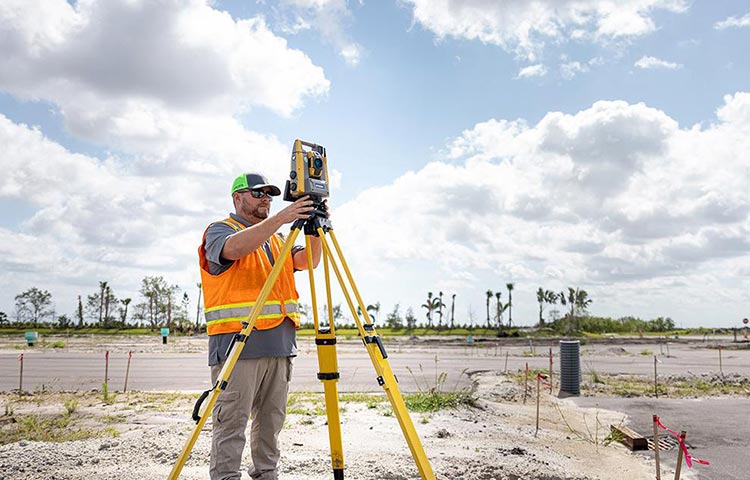
A theodolite is a surveying instrument used to measure horizontal and vertical angles between observed directions.
Traditional optical theodolites use graduated circles and optical reading systems, while electronic theodolites provide digital angle readings.
Theodolites are commonly used for:
Construction alignment and directional checks
Basic angular measurements
Educational and surveying training
Tasks where distances are measured separately
A conventional theodolite does not include the integrated EDM and coordinate-processing capabilities found in a total station.
This makes it relatively straightforward for projects that mainly require angle measurement.
2. What Is a Total Station?
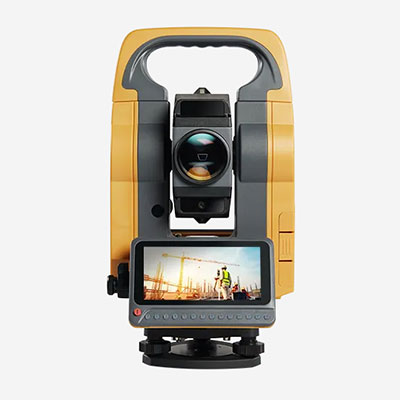
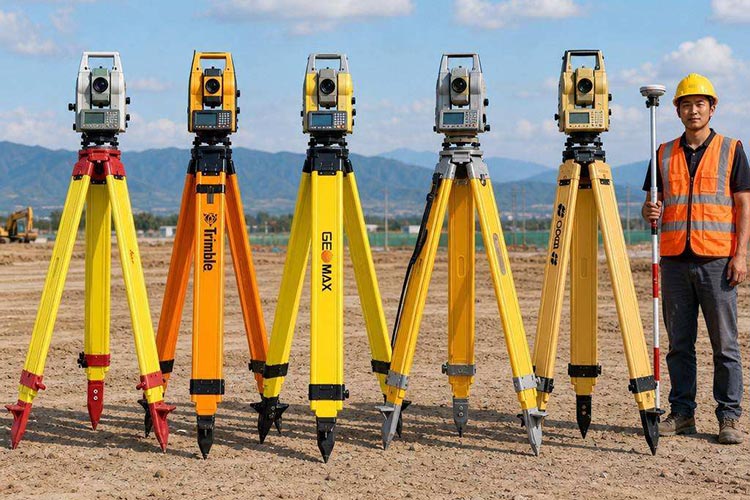
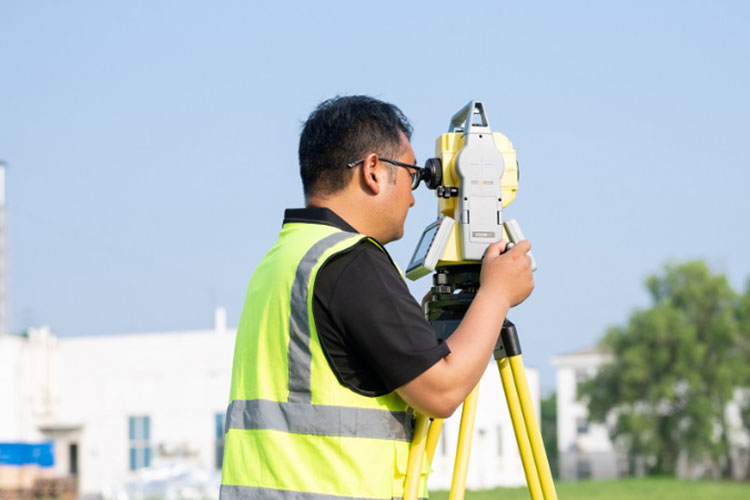
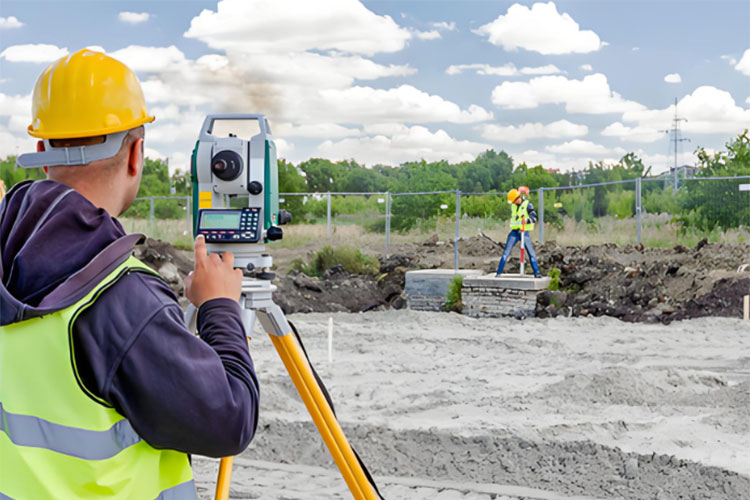
A total station combines an electronic theodolite with an EDM system and onboard processing functions.
In addition to measuring horizontal and vertical angles, it can measure distances and calculate point coordinates using appropriate survey setup information.
Depending on the model, a total station may provide:
Prism and reflectorless distance measurement
Coordinate measurement and construction stakeout
Internal data storage and export
Surveying and calculation software
Robotic tracking or motorized operation
These functions make total stations useful for engineering surveys, construction layout, topographic mapping and control measurements.
For more information about available configurations, see our How to Choose a Total Station guide.
3. Total Station vs Theodolite: Key Differences
The most important distinction is that a total station measures both angles and distances, while a conventional theodolite measures angles without an integrated EDM system.
| Feature | Total Station | Theodolite |
|---|---|---|
| Horizontal and vertical angles | Yes | Yes |
| Integrated distance measurement | Yes | Generally no |
| Coordinate calculations | Yes, with appropriate setup | Not normally |
| Data recording | Built-in on most models | Model-dependent; limited on many models |
| Construction stakeout | Coordinate-based workflows | Mainly angular alignment |
| Reflectorless measurement | Available on many models | Not a standard feature |
| Equipment cost | Generally higher | Generally lower |
Which Instrument Is More Accurate?
It is a mistake to assume that every total station is more accurate than every theodolite.
Angular accuracy depends on the specific instrument and its published specifications. Both instrument categories include different accuracy classes.
A total station also has an EDM accuracy specification, which must be considered separately from angular accuracy.
For a detailed explanation, read our Total Station Accuracy Guide.
4. When Is a Theodolite the Better Choice?
A theodolite can be a practical choice when the primary requirement is to measure angles or establish directions without collecting digital coordinates.
For example, a construction crew checking the alignment of structural elements may not need the full coordinate measurement and data-processing capabilities of a total station.
A theodolite can also be appropriate for training, where understanding instrument setup and angular observation is the main objective.
However, if the project later requires frequent distance measurements or coordinate stakeout, using a separate instrument or upgrading to a total station may be necessary.
5. When Should You Choose a Total Station?
A total station is usually the more versatile choice for projects involving point coordinates, distances and digital survey records.
Construction Layout
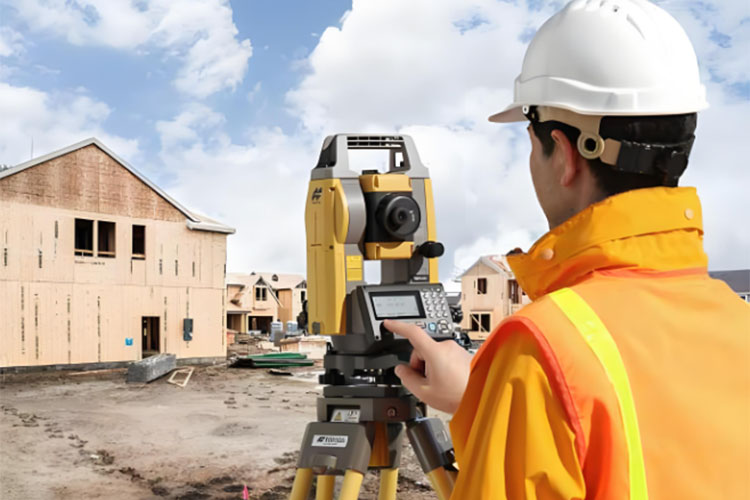
A contractor may need to position foundation corners, columns or other design points using project coordinates.
A total station with suitable field software can calculate the required directions and distances and guide the operator through stakeout.
Topographic Surveying
When collecting terrain features, a total station can record measured points and support subsequent mapping or engineering design.
This is especially useful in locations where GNSS reception is obstructed by buildings, vegetation or other obstacles.
Engineering and Control Surveys
Total stations are widely used for engineering measurements and control networks.
The required angular and EDM accuracy should be selected according to the project's tolerances and survey methodology.
6. A Practical Buying Example
Consider two hypothetical buyers.
Buyer A: A small construction team
The team mainly checks straight-line alignment and measures horizontal or vertical angles. It does not need coordinate files or frequent electronic distance measurements.
An electronic theodolite may meet its needs at a lower equipment cost.
Buyer B: A surveying contractor
The contractor performs topographic surveys, construction stakeout and engineering measurements. Its operators need coordinates, distance measurements and data export.
A total station would generally provide a more efficient and complete workflow.
The difference is not simply which instrument has more functions. It is whether those functions will be used regularly.
7. What Should Buyers Check Before Ordering?
For a theodolite, confirm the angular accuracy class, optical or electronic reading system, compensator functions, power supply and available accessories.
For a total station, also review:
EDM accuracy and measurement range
Prism and reflectorless measurement capabilities
Surveying and stakeout software
Data transfer and export formats
Battery and accessory configuration
Warranty, calibration and technical support
Buyers should compare complete equipment configurations rather than relying on a single headline specification.
For projects that involve both satellite and optical surveying, our GNSS RTK vs Total Station comparison explains when each method is useful.
Frequently Asked Questions
Can a Theodolite Measure Distance?
A conventional theodolite measures angles rather than distance. Distances must generally be measured using separate equipment or methods.
Is a Total Station a Type of Theodolite?
A total station incorporates electronic angle measurement functions similar to an electronic theodolite, together with EDM and onboard processing capabilities.
Is a Total Station Always More Accurate?
No. Angular accuracy depends on the specific instrument. A total station's distance measurement accuracy is a separate specification.
Which Is Better for Construction?
A theodolite can be suitable for basic angular alignment. A total station is generally more useful for coordinate-based layout, distance measurement and digital survey records.
Is a Theodolite Cheaper Than a Total Station?
Conventional theodolites are generally less expensive than total stations, although actual pricing depends on brand, accuracy, functions and included accessories.
Choose the Right Surveying Instrument
A theodolite remains useful for straightforward angular measurement and alignment work. A total station offers a broader range of functions for projects that require distances, coordinates, stakeout and digital data management.
The best choice is the instrument that meets your measurement requirements without adding unnecessary complexity or cost.
RTKSurvey.com supplies multi-brand surveying instruments for international buyers, including Total Stations and Theodolites.
If you are comparing instruments for construction, engineering surveying or distribution, contact RTKSurvey.com with your application, required accuracy and destination country to discuss suitable equipment options.